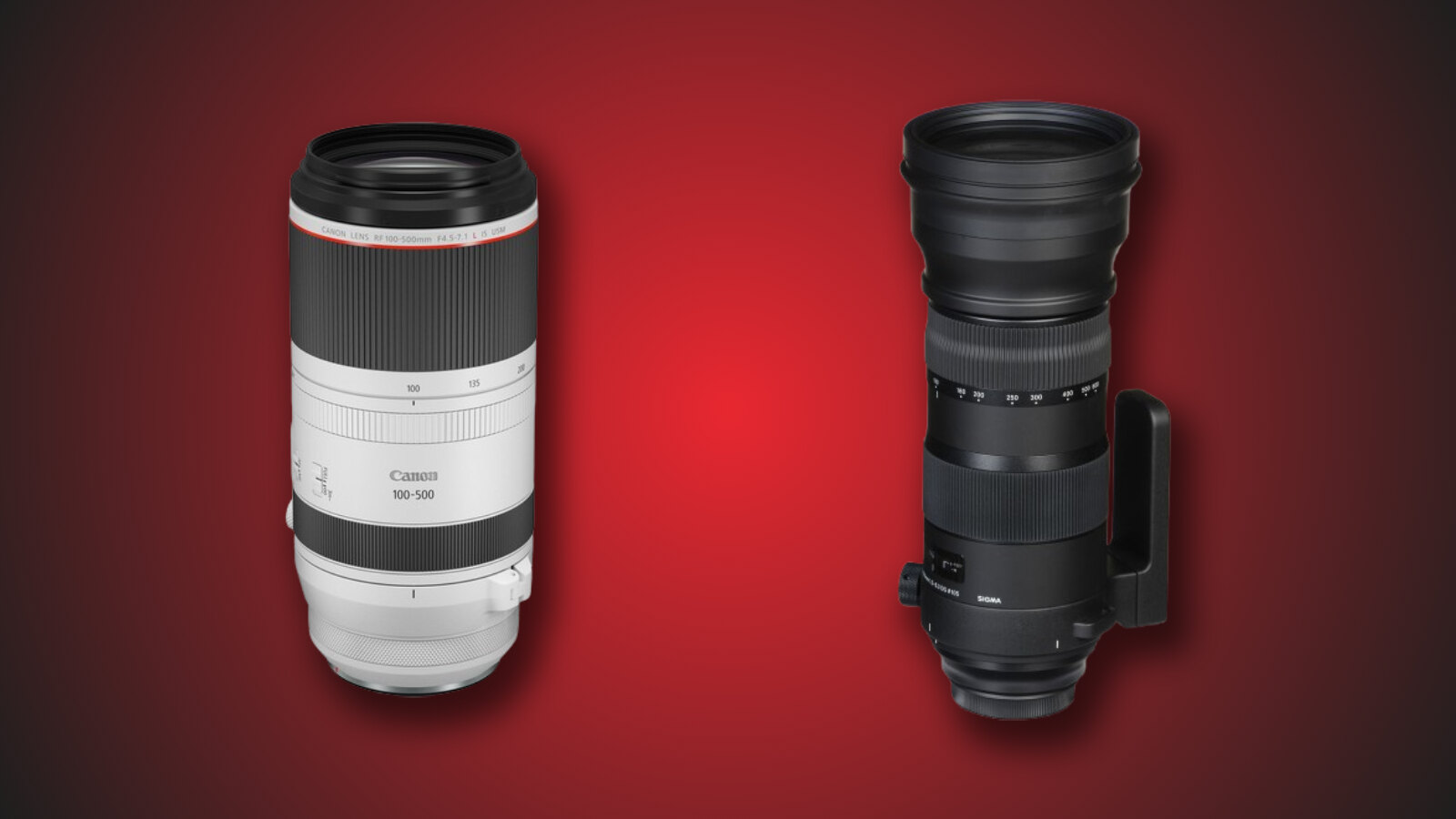
Tele-Tussle: Canon RF 100-500mm f/4.5-7.1 L IS USM vs Sigma 150-600mm F/5-6.3 DG OS HSM Sports

Check out our latest products
![[2025 Upgraded] Retractable Car Charger, SUPERONE 69W Car Phone Charger with Cables Fast Charging, Gifts for Men Women Car Accessories for iPhone 16 15 14 13 12, Samsung, Black](https://i1.wp.com/m.media-amazon.com/images/I/61SaegZpsSL._AC_SL1500_.jpg?w=300&resize=300,300&ssl=1)


When it comes to super-telephoto zooms, you have a choice: Canon’s compact, polished RF zoom or Sigma’s reach-hungry, go-anywhere professional beast. One is sleek and light, the other humongous and built for scale. Let’s explore what they are, what they do, and which one suits your shooting style.
Canon RF 100–500 mm — Compact Veteran
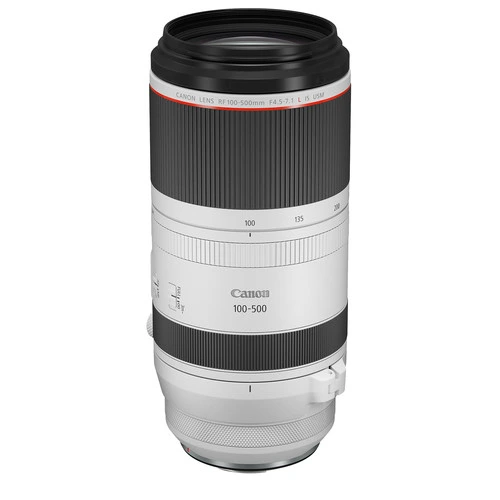
Canon’s RF 100–500mm lens is thin, long, and surprisingly light given its zoom range. At around 1,365 g with collar, and just over 20 cm when stowed, it’s easier to carry than it looks. The zoom covers a native 100–500mm range and includes 5-stops of optical stabilization. The focus is handled by Dual Nano USM, which feels smooth and barely audible.
I adore this lens when I’m traveling or capturing birds at dawn—crisp optics, fast focus, and it pairs beautifully with Canon RF extenders (1.4× and 2×) for extra reach. It won’t hit 900mm, but it’ll get you close. Built with L-series passion, it’s weather-sealed and has advanced coatings for that punchy contrast even in backlit scenes.
Canon RF100-500mm F4.5-7.1 L is USM Lens

4.7
- RF-Mount Lens/Full-Frame Format
- Aperture Range: f/4.5-7.1 to f/32-54
- Dual Nano USM AF System
- Optical Image Stabilizer
- Weather-Sealed Design
- Customizable Control Ring
- Rotating Zoom Ring, Torque Adjustment
- Compatible with RF Extenders
Sigma 150–600 mm Sports — Reach Titan
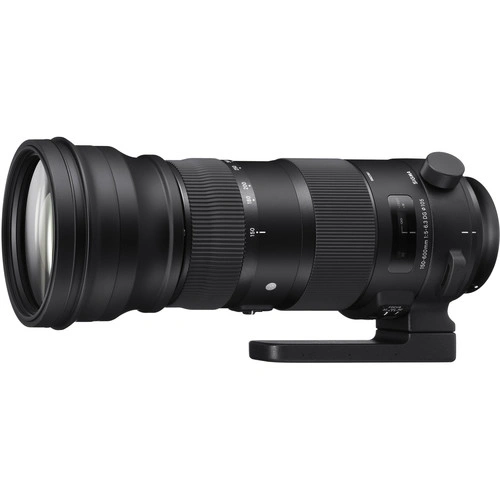
Sigma’s 150–600mm Sports zoom is for when you really need maximum reach—and don’t mind the muscle. It tips the scale at around 1.9 kg, with a 95 mm filter size and a hearty panning grip. Its zoom range can stretch to an effective 225–900 mm on an APS‑C body.
Stabilization runs via Sigma’s OS system—reliable, though it feels a bit heavier in your hands at full zoom. Autofocus is handled via Sigma’s HSM: it locks on well, but isn’t as refined or smooth as Canon’s Nano USM. For wildlife or airshow work, though, it nails the reach relentlessly. Just be sure you like working with a big lens and a strong tripod rig.
Sigma 150-600mm f/5-6.3 DG OS HSM Sports

4.3
- SA-Mount Lens/Full-Frame Format
- Aperture Range: f/5 to f/22
- Two FLD Elements, Three SLD Elements
- Super Multi-Layer Coating
- Hyper Sonic Motor AF System
- OS Image Stabilization
- Fixed, Rotating Tripod Collar
- Rounded 9-Blade Diaphragm
Side-by-Side Specs
| Feature | Canon RF 100–500 mm L | Sigma 150–600 mm Sports |
| Focal Range | 100–500 mm | 150–600 mm |
| Aperture | f/4.5–7.1 | f/5–6.3 |
| Weight | ~1,365 g | ~1,930 g |
| Stabilization | 5‑stop optical IS | ~4‑stop OS with panning mode |
| Autofocus | Dual Nano USM | HSM (solid but slightly slower) |
| Extender Support | RF 1.4× & 2× fully supported | EF-only extenders work, adapt only |
| Sealing / Durability | Full L-series sealing & coatings | Sports-grade sealing + repel coatings |
| Size (retracted) | ~207 mm | Longer, high-profile zoom barrel |
| Filter Thread | 77 mm | 95 mm |
Which One Should You Choose?
Go Canon RF 100–500mm if you prefer:
- lighter gear
- clean autofocus
- better handling for handheld or travel shooting
- official extender support and seamless lens updates
Choose Sigma 150–600mm if you need:
- go-to reach for birds, motorsports, or distant scenarios
- rugged build and budget-minded max focal length
- lens flexibility across multiple camera mount systems (via adapters)
Canonical optics feel crisp edge-to-edge, whereas Sigma offers more sheer telephoto bravado for less money. At long distances, the sheer reach of the Sigma pulls ahead—but handling and quiet operation give Canon the grace points.
Pro User Tips
- Canon stays steadier handheld due to its lighter weight and five-stop IS. Sigma hits harder telephoto—but best used on a solid tripod or monopod.
- Canon’s autofocus feels like butter. Sigma is reliable, but you might notice it “hunting” slightly at long focal lengths.
- Canon extenders fully support autofocus and image quality. Sigma with adapters works, but be cautious of AF speed drop.
- Sigma’s 95mm filters are larger and pricier; Canon’s 77mm filters are more budget and travel-friendly.
- Both weather seal well—Canon with its L-coated lens surfaces, Sigma adds moisture and oil repellents to elements, making wading through dusty or damp conditions easier.
Final Verdict
- Canon’s RF 100–500mm is the polished runner: sleek, stabilized, pro‑worthy. Perfect for travel, serious birding, or expressive telephoto work without the burden.
- Sigma’s 150–600mm Sports is the distance specialist: powerful reach, rugged build, good value—but you’ll need a strong tripod arm or strong shoulders.
|
When you purchase through links on our site, we may earn an affiliate commission. Here’s how it works. |
![[True Military-Grade] Car Phone Holder【2024 Stronger Suction & Clip】 Universal Cell Phone Holder for Car Mount for Dashboard Windshield Air Vent Long Arm Cell Phone Car Mount Thick Case,Black](https://i2.wp.com/m.media-amazon.com/images/I/715PBCuJezL._AC_SL1500_.jpg?w=300&resize=300,300&ssl=1)
![[エレコム] スマホショルダー ショルダーストラップ 肩掛け ストラップホールシート付属 丸紐 8mm P-STSDH2R08](https://i3.wp.com/m.media-amazon.com/images/I/51BMFf06pxL._AC_SL1500_.jpg?w=300&resize=300,300&ssl=1)