Check out our latest products
![[2025 Upgraded] Retractable Car Charger, SUPERONE 69W Car Phone Charger with Cables Fast Charging, Gifts for Men Women Car Accessories for iPhone 16 15 14 13 12, Samsung, Black](https://i1.wp.com/m.media-amazon.com/images/I/61SaegZpsSL._AC_SL1500_.jpg?w=300&resize=300,300&ssl=1)


You’ve probably been there — wide-eyed in a camera store or spiraling through a 3AM Google search rabbit hole, wondering: What the heck is the difference between EF and EF-S lenses? Are they like twins? Cousins? Mortal enemies? And what happens if I use the wrong one — does my camera explode?
Let’s sort this once and for all — with plain talk. Because lenses are confusing enough without sounding like a physics textbook.
The TL;DR Version:
- EF = Full Frame compatible. Think big sensor, pro body, all the glass.
- EF-S = Crop sensor only. Smaller, lighter, and more budget-friendly.
But as with most things in photography, the devil’s in the details. So let’s zoom in.
The Origin Story: What Do EF and EF-S Even Mean?
- EF stands for Electro-Focus, Canon’s autofocus system introduced in 1987. It uses electronic signals (fancy!) instead of mechanical linkages. EF lenses are designed to cover a full-frame sensor — the same size as a 35mm film frame.
- EF-S stands for Electro-Focus Short back focus. These lenses are made specifically for APS-C (Advanced Photo System type-Classic )crop sensor DSLRs. The rear element sits closer to the sensor — which is why they can’t be mounted on full-frame Canon bodies.
In short? EF = universal. EF-S = specialist.
Sensor Size 101: Because Size Totally Matters
- Full-frame sensor (used in higher-end models like the Canon 5D, R5, or 1D series): Big, beautiful, low-light loving.
- APS-C sensor (found in Canon’s Rebel line, 90D, and other enthusiast DSLRs): Smaller, but still mighty.
EF lenses can project an image circle large enough to cover the full-frame sensor. EF-S lenses, not so much — they’re designed for the smaller APS-C sensors.
Crop Factor Alert: APS-C sensors apply a 1.6x crop factor. So a 50mm EF lens on a crop sensor body gives you an 80mm field of view. Math!
Compatibility Cheat Sheet:
| Lens Type | Works on Full-Frame? | Works on APS-C? |
| EF | Yes | Yes |
| EF-S | Nope | Yes |
Translation?
- If you have an APS-C camera, you can use both EF and EF-S lenses.
- If you have a full-frame camera, stick to EF lenses (or risk serious vignetting and mirror damage — not cute).
Traveling Light: Size, Weight, and Wallet
One of the perks of EF-S lenses is that they’re built for smaller cameras — which usually means:
- Lighter weight
- Smaller form
- Less strain on your neck after a 6-hour hike
- More budget-friendly price tag
So if you’re a travel shooter, a hobbyist, or just getting into photography, EF-S lenses might just be your new BFFs.
But don’t confuse “lightweight” with “lightweight performance.” Some EF-S lenses are seriously sharp.
Quality Check: EF = Luxe, EF-S = Savvy
Generally speaking (and we’re generalizing here), EF lenses:
- Have superior optics.
- Are built tougher (weather-sealed, L-series options).
- Are made for professional use.
EF-S lenses:
- Are more affordable.
- Prioritize portability.
- Sometimes sacrifice a bit on build or low-light performance.
But again — don’t sleep on EF-S lenses like the EF-S 17–55mm f/2.8 IS USM or EF-S 60mm f/2.8 Macro. These babies punch way above their weight.
What About Mirrorless?
You’ve heard about Canon’s RF mount and mirrorless revolution, right? Here’s where things get spicy:
- Canon’s EOS R mirrorless cameras use RF lenses.
- Want to use EF or EF-S lenses on a mirrorless body? You totally can — with the EF-EOS R adapter.
- EF lenses adapt beautifully. EF-S lenses will still work, but the camera will auto-crop to APS-C mode. Translation: you’re not getting the full sensor juice.
Best Use Scenarios
Use EF Lenses If You:
- Shoot with a full-frame Canon DSLR or mirrorless.
- Want pro-level quality and performance.
- Don’t mind a bit of extra weight (muscles are free!).
Use EF-S Lenses If You:
- Shoot on an APS-C Canon DSLR.
- Want great quality without maxing your credit card.
- Prioritize lightweight, travel-friendly setups.
The Don’t-You-Dare Mistake
DO NOT try to mount an EF-S lens on a full-frame camera. Canon made the EF-S mount slightly recessed on purpose so it won’t even fit. Forcing it? You’ll damage the lens, the camera, or both. Your warranty will cry.
Bonus Fun Fact:
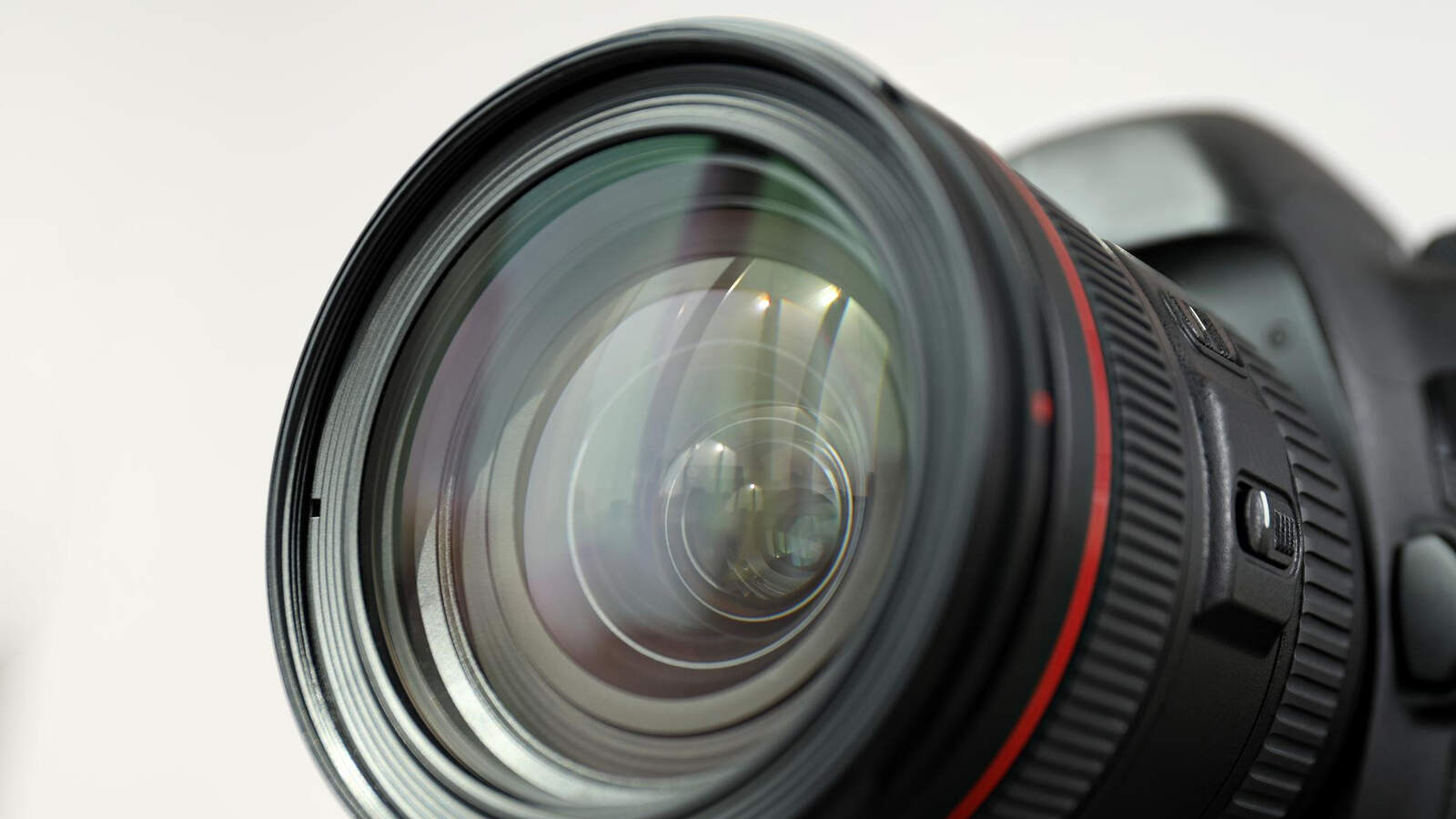
- All L-series Canon lenses (the ones with the red ring) are EF — because Canon reserves the elite build for full-frame glass. That’s not to say EF-S lenses can’t be stellar, but if you want to rock red rings, it’s EF or bust.
Final Verdict: Team EF or Team EF-S?
You don’t have to pick sides — just pick what fits your setup. EF lenses are versatile, long-term investments that will follow you as you level up your gear. EF-S lenses are agile, accessible, and deliver a lot of bang for your buck if you’re rocking a crop sensor.
So pick your path:
- Want to build a system that grows with you? Start with EF.
- Want killer photos on a budget, with less backache? EF-S is your pal.
Either way, you’re part of the Canon crew — and the shots you’re about to take? Absolute bangers.
|
When you purchase through links on our site, we may earn an affiliate commission. Here’s how it works. |
![[True Military-Grade] Car Phone Holder【2024 Stronger Suction & Clip】 Universal Cell Phone Holder for Car Mount for Dashboard Windshield Air Vent Long Arm Cell Phone Car Mount Thick Case,Black](https://i2.wp.com/m.media-amazon.com/images/I/715PBCuJezL._AC_SL1500_.jpg?w=300&resize=300,300&ssl=1)
![[エレコム] スマホショルダー ショルダーストラップ 肩掛け ストラップホールシート付属 丸紐 8mm P-STSDH2R08](https://i3.wp.com/m.media-amazon.com/images/I/51BMFf06pxL._AC_SL1500_.jpg?w=300&resize=300,300&ssl=1)